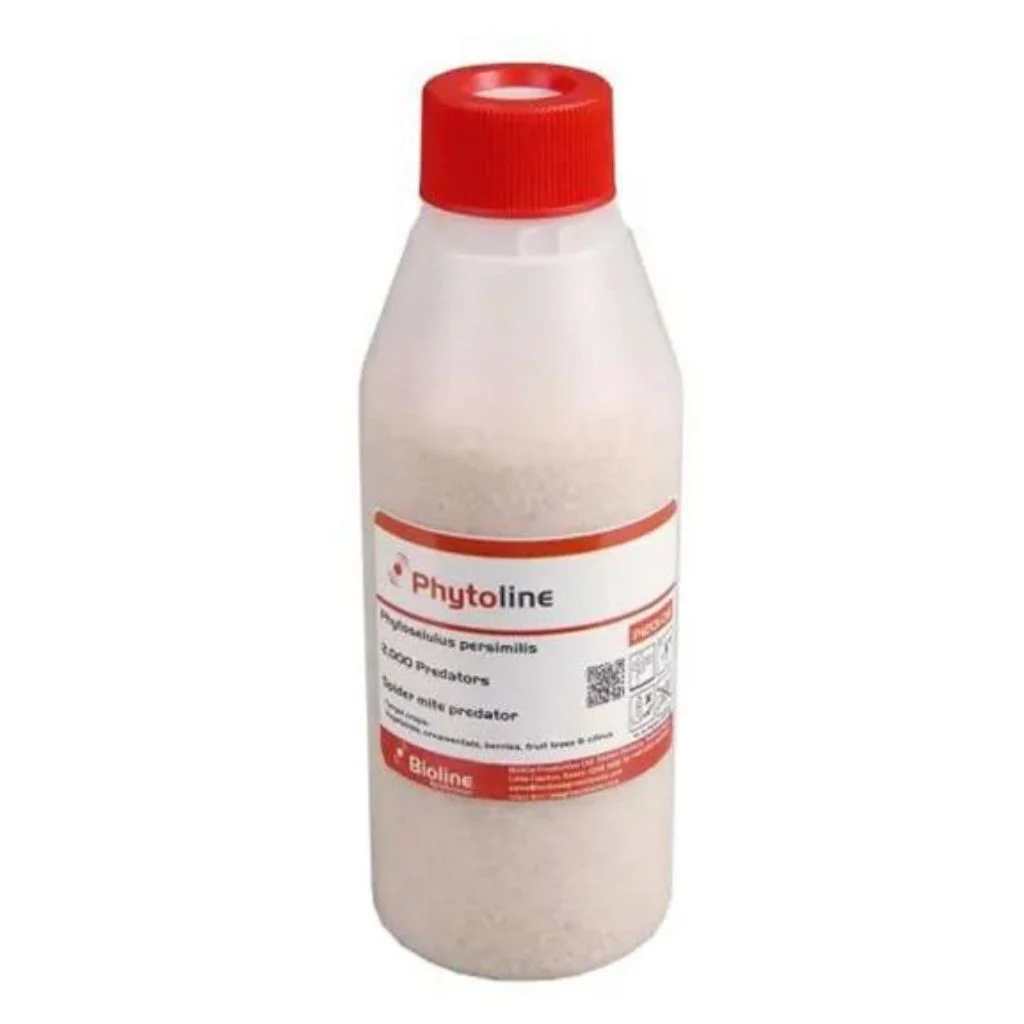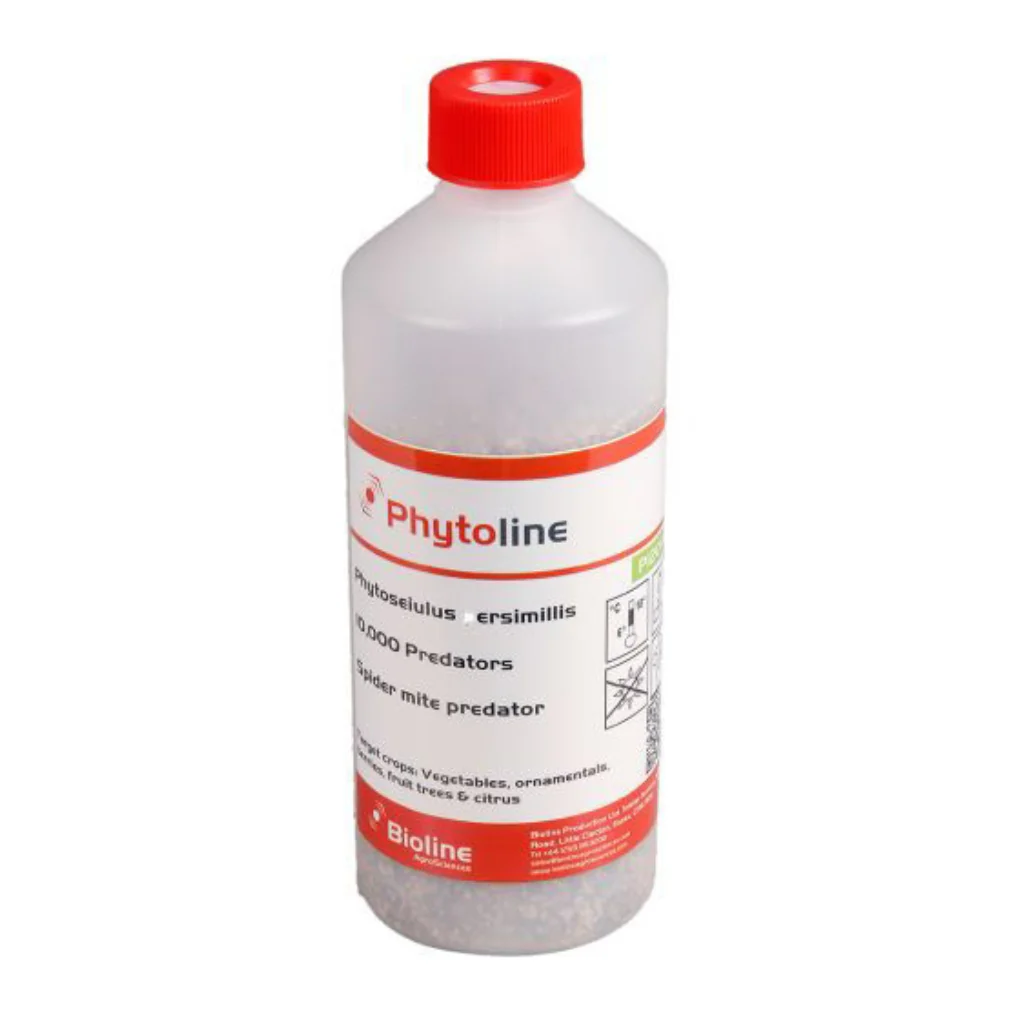

Thrip Predators (Amblyseius Cucumeris) - 50,000
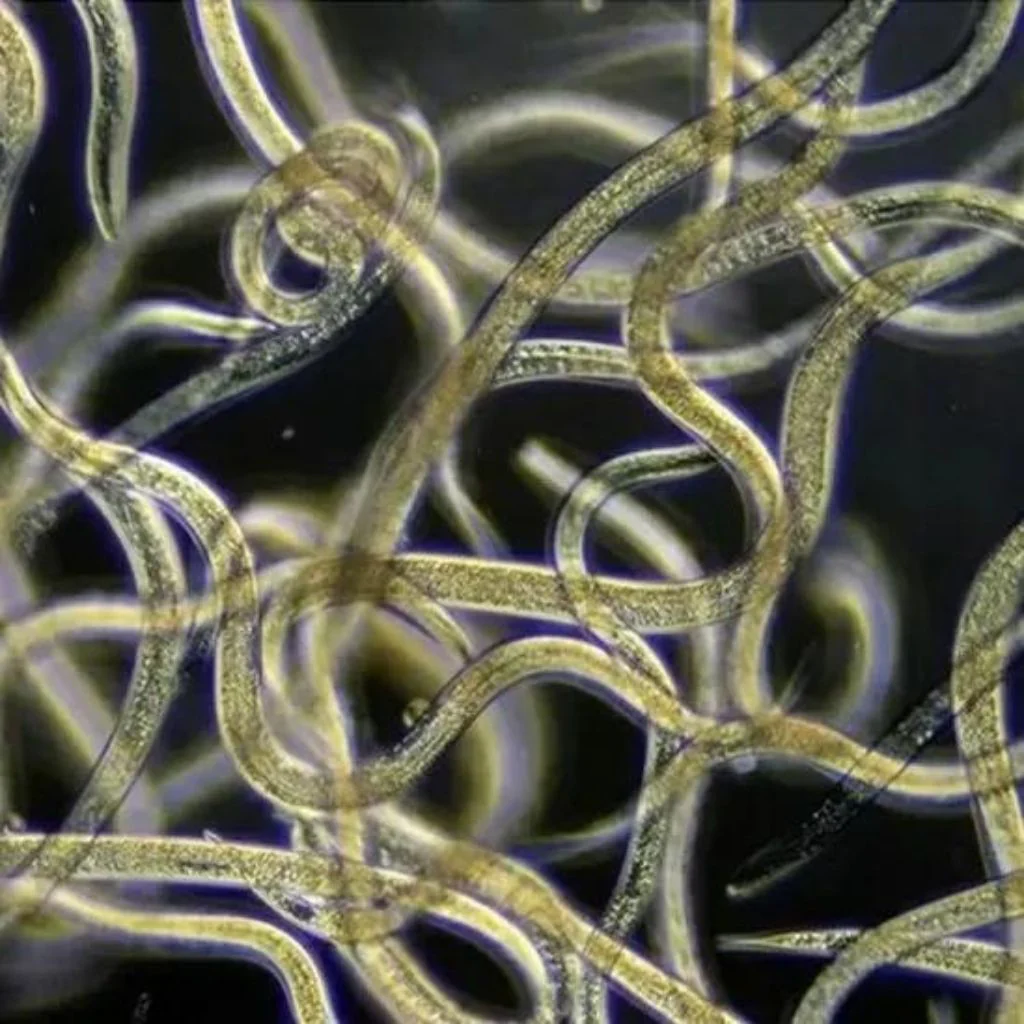
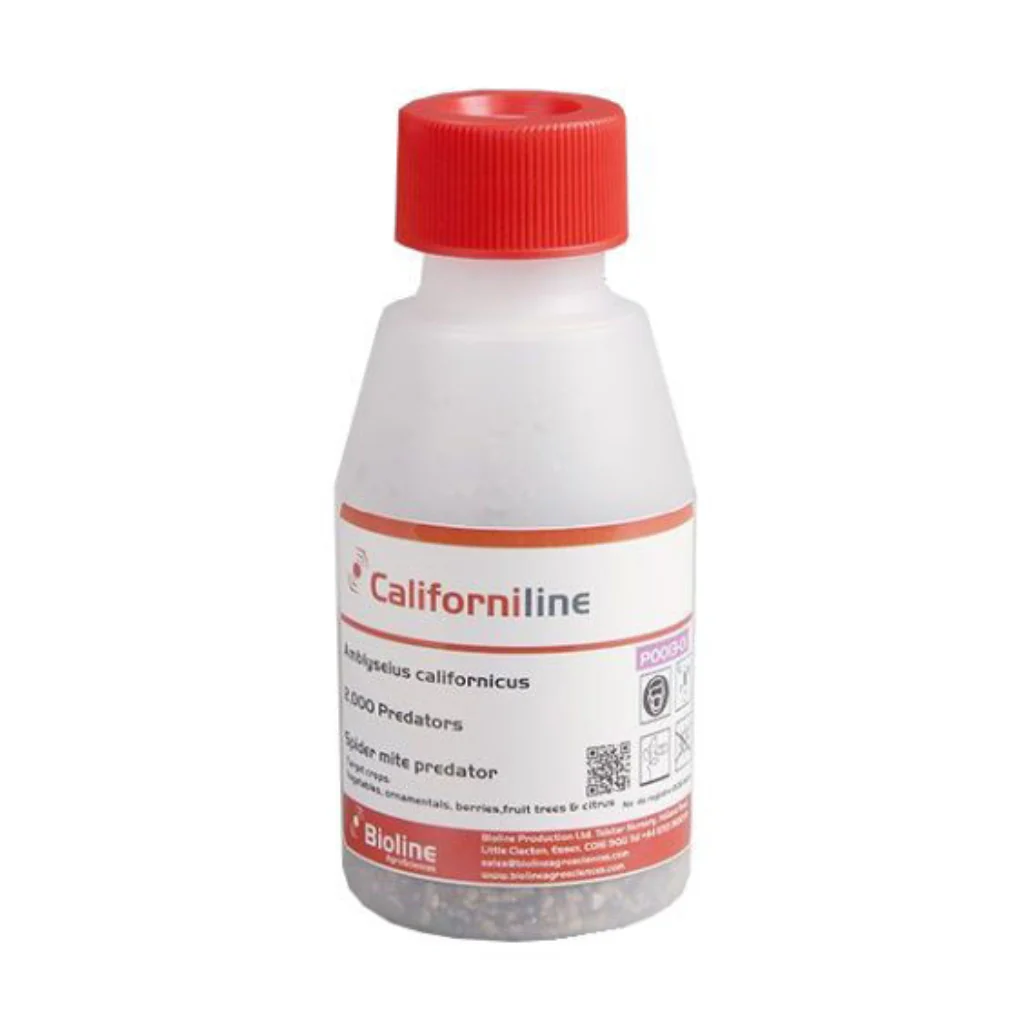
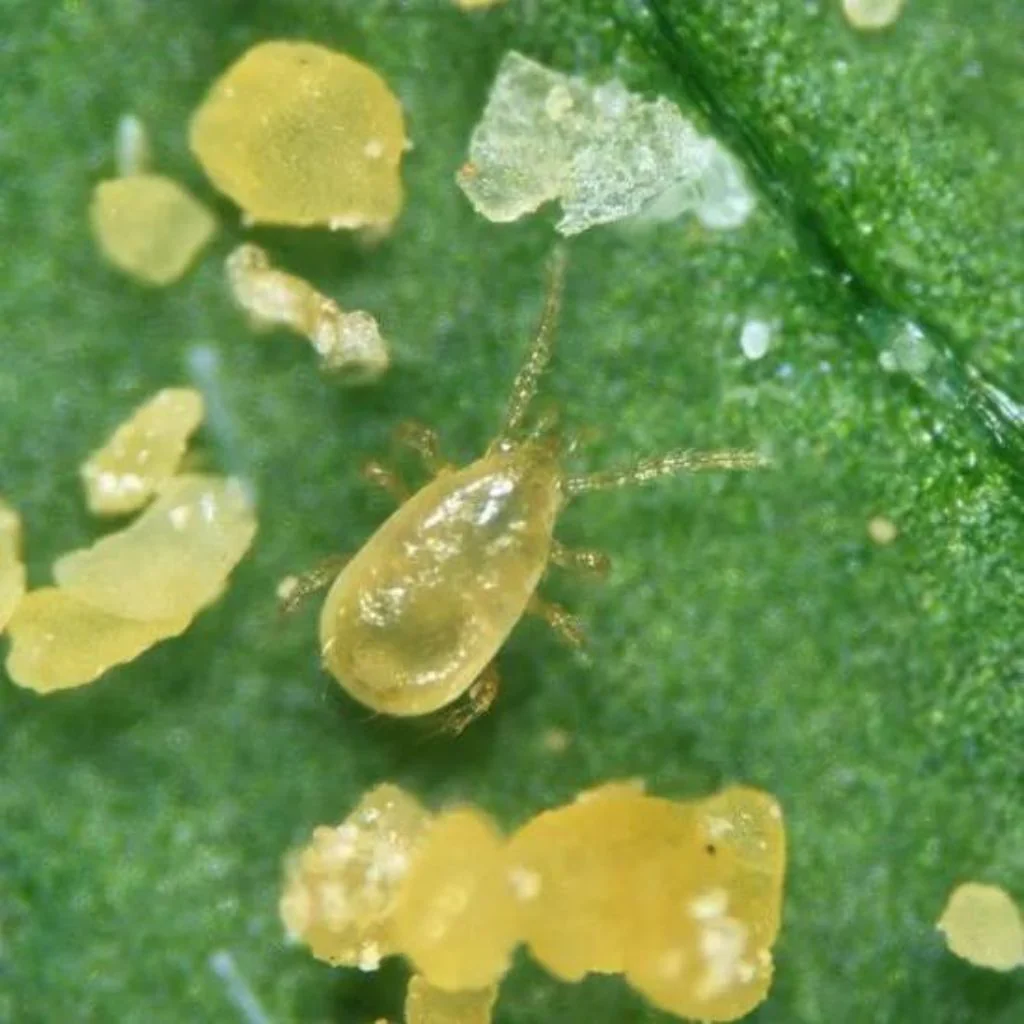
Eradicate thrips and broad mite organically and without pesticides, with our predatory mites. The species Amblyseius Cucumeris is a well known and widely used effective thrip solution. Available as a tube of 50,000.
This product is only available as a special order and from collection in-store. Please contact us directly. There is now a lead time of 1 week on all live products.
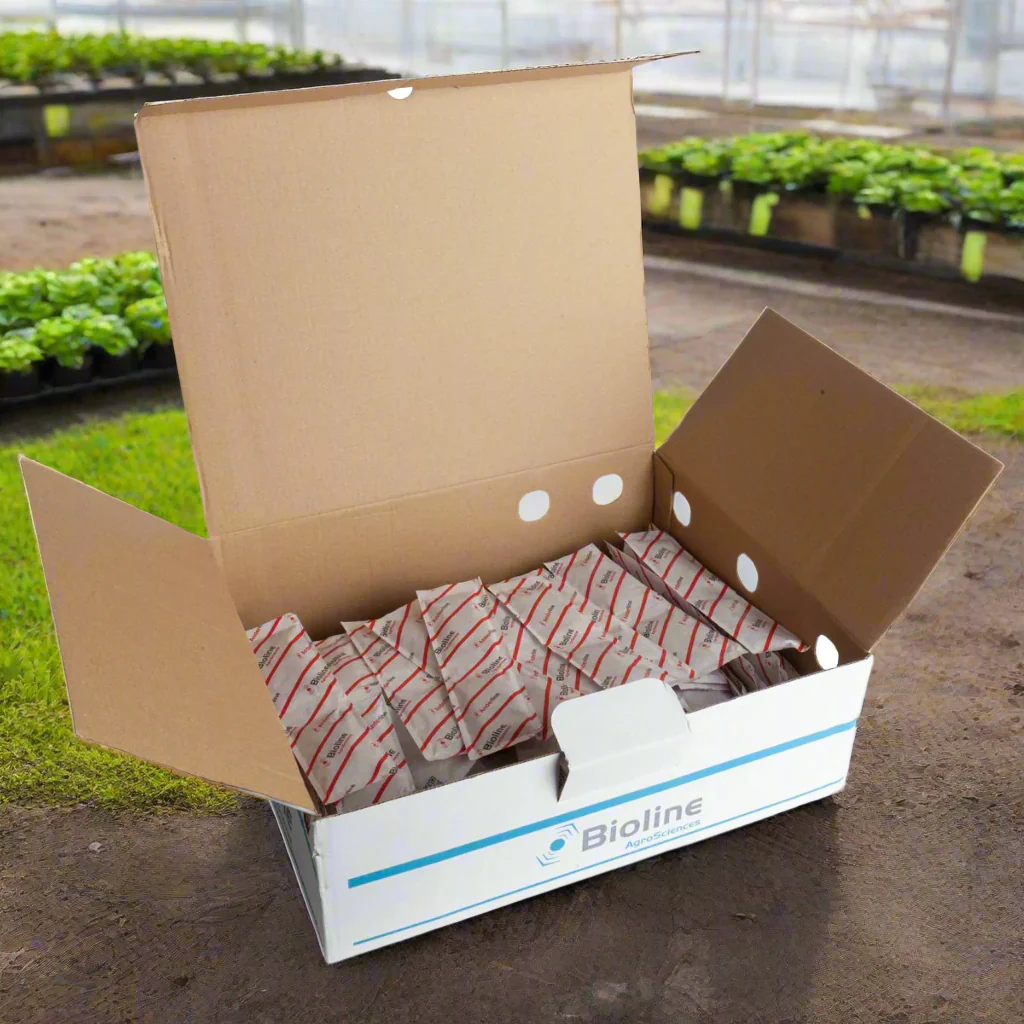
What's in the box?
- 50,000 adult thrip predators
Two species of thrips are commonly found on protected crops: Western Flower Thrips (WFT), (Frankliniella occidentalis) and Onion or Tobacco Thrips (Thrips tabaci). Larvae and adults pierce the leaf surface and suck out cell contents causing extensive 'silvering'.
Thrips have six stages in their life cycle; egg, two larval stages, pre-pupa, pupa and adult. The larvae and the adults feed on plants. The adults are tiny, dark coloured, pencil shaped insects, often found in flowers. The larvae are often found on the leaves. The Thrip pierce plants when feeding, causing plant tissue to die.
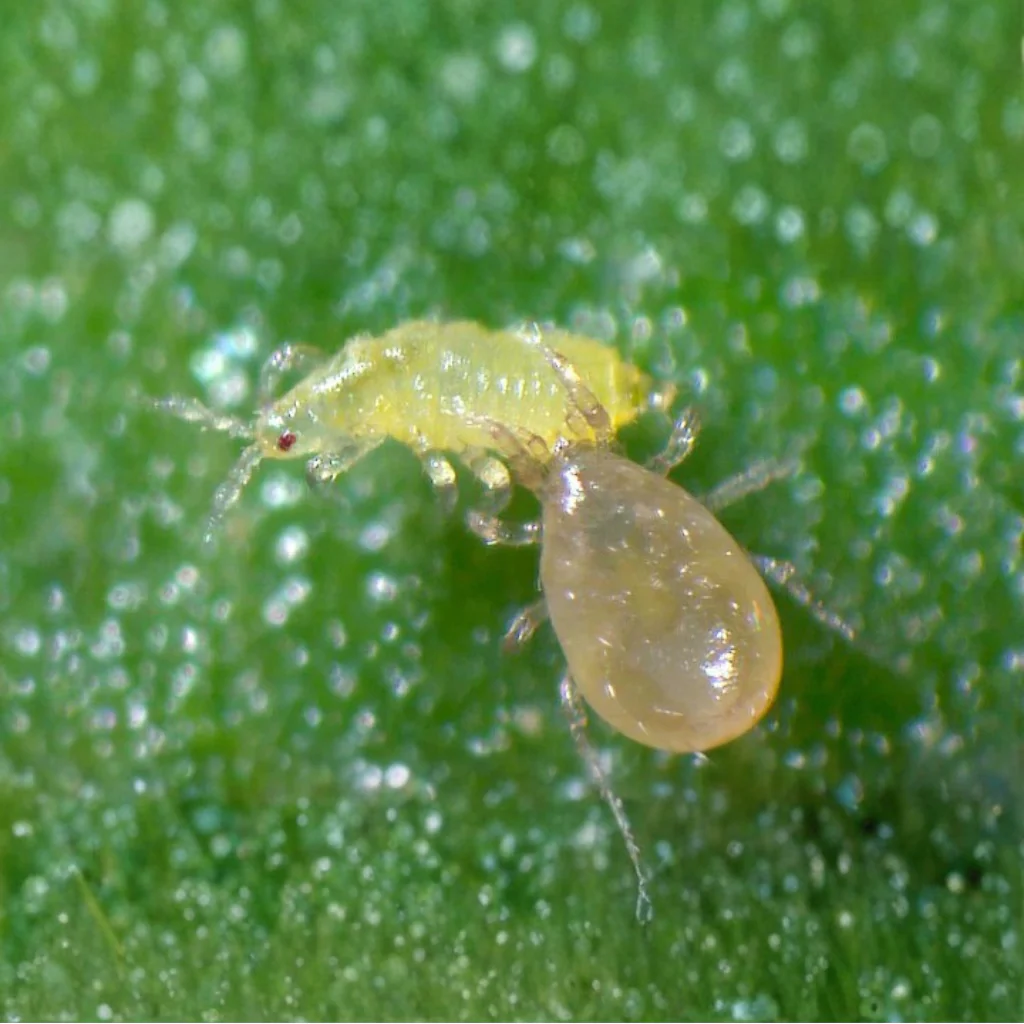
Our Thrip Predators Biological Control 50,000 Amblyseius Typhlodromips montdorensis are capable of eradicating most thrips species as well as tarsonemid mite and broad mite. Feeds on young thrips larvae, and in the absence of thrips, on pollen.
Application
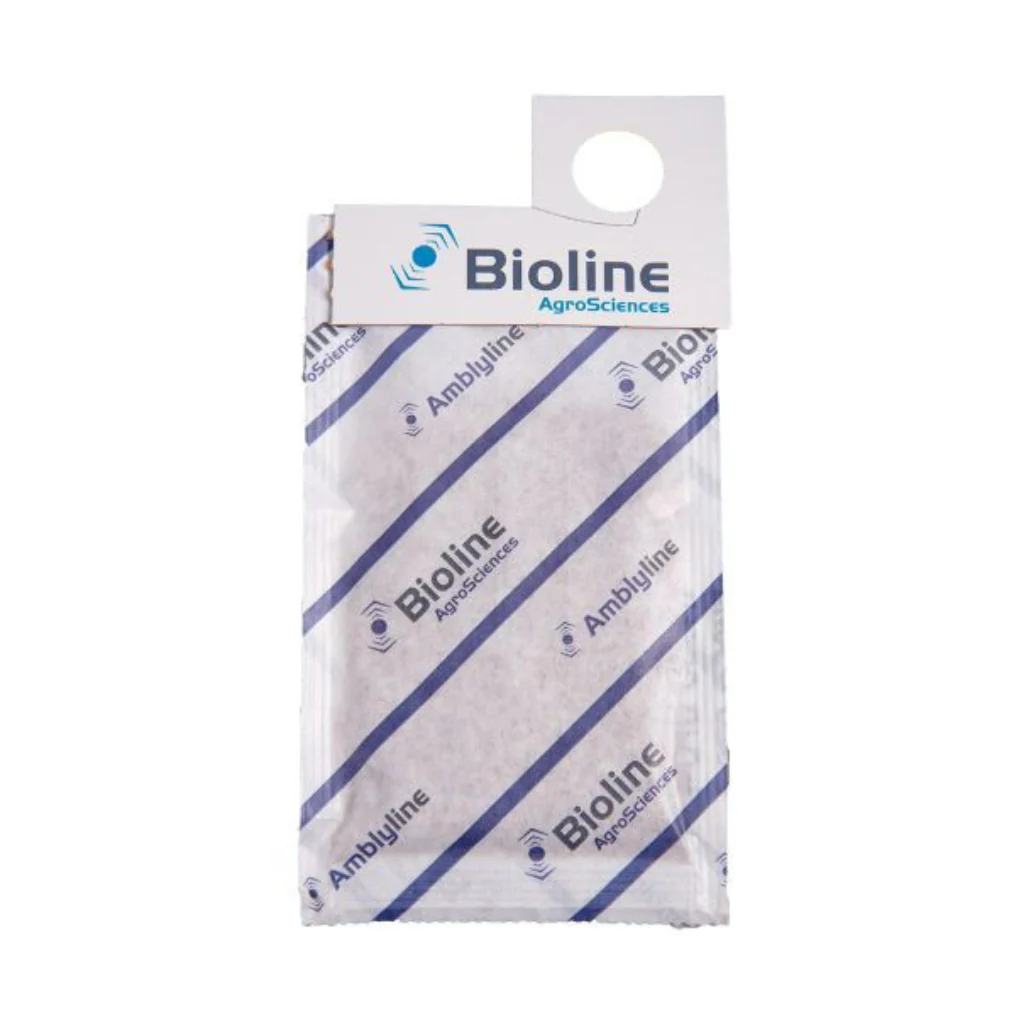
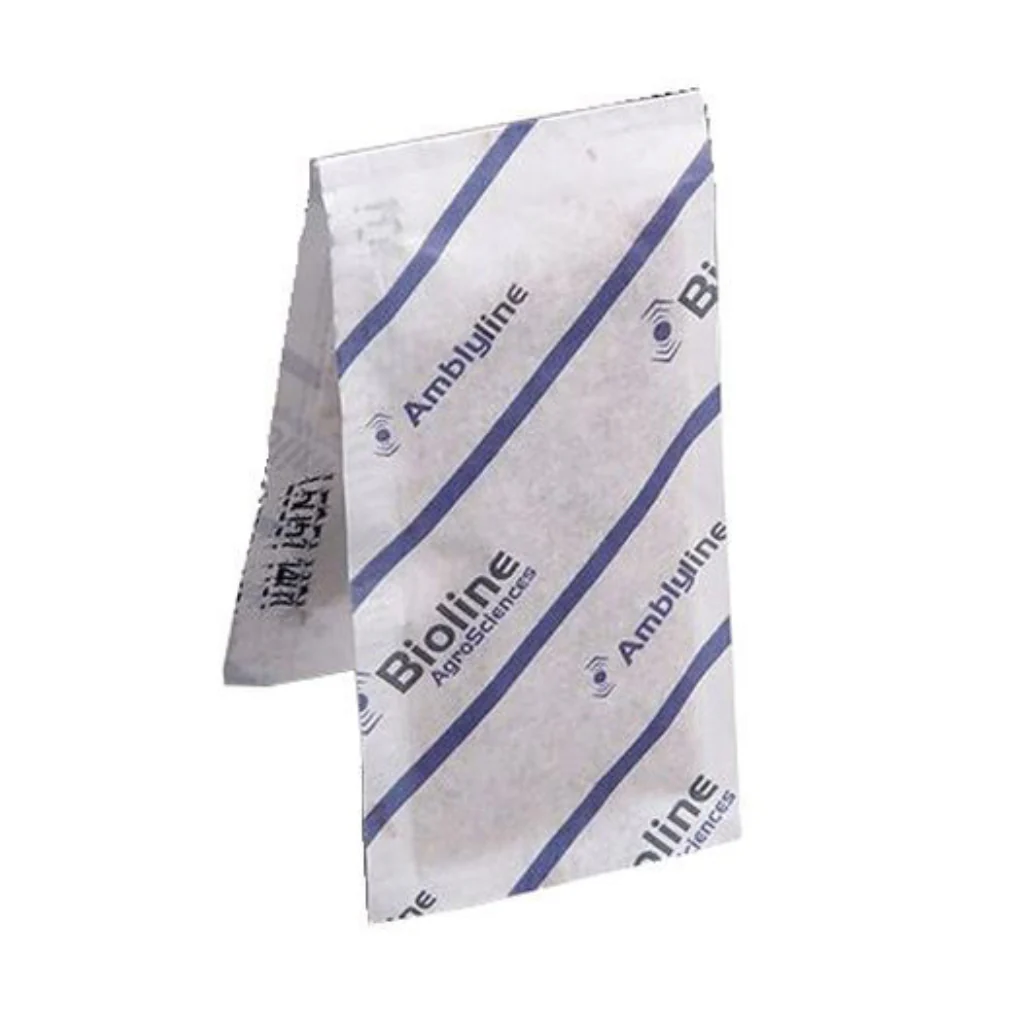
Amblyseius Cucumeris are supplied in a cardboard tube within a bran/vermicompost mix. Distribute contents evenly over the top of your soil at the base of your plants.
The cucumeris will consume Thrip larvae and eggs, and will continually move around the plant and flowers seeking out their prey.
The cucumeris predominantly feed on the small, or first Instar, larvae of the Western Flower Thrip (Frankiniella occidentalis). The cucumeris therefore break the Thrip life cycle by consuming the larvae and eggs before the pests can develop into adulthood. The cucumeris will also feed on flower pollen which allows for their introduction before the Thrip pests are visibly present. With predators on the plant at all times, the Thrip can be killed before they can take hold.
Product Information
Product Information
Shipping & Returns
Shipping & Returns
Description
Eradicate thrips and broad mite organically and without pesticides, with our predatory mites. The species Amblyseius Cucumeris is a well known and widely used effective thrip solution. Available as a tube of 50,000.
This product is only available as a special order and from collection in-store. Please contact us directly. There is now a lead time of 1 week on all live products.
What's in the box?
- 50,000 adult thrip predators
Two species of thrips are commonly found on protected crops: Western Flower Thrips (WFT), (Frankliniella occidentalis) and Onion or Tobacco Thrips (Thrips tabaci). Larvae and adults pierce the leaf surface and suck out cell contents causing extensive 'silvering'.
Thrips have six stages in their life cycle; egg, two larval stages, pre-pupa, pupa and adult. The larvae and the adults feed on plants. The adults are tiny, dark coloured, pencil shaped insects, often found in flowers. The larvae are often found on the leaves. The Thrip pierce plants when feeding, causing plant tissue to die.
Our Thrip Predators Biological Control 50,000 Amblyseius Typhlodromips montdorensis are capable of eradicating most thrips species as well as tarsonemid mite and broad mite. Feeds on young thrips larvae, and in the absence of thrips, on pollen.
Application
Amblyseius Cucumeris are supplied in a cardboard tube within a bran/vermicompost mix. Distribute contents evenly over the top of your soil at the base of your plants.
The cucumeris will consume Thrip larvae and eggs, and will continually move around the plant and flowers seeking out their prey.
The cucumeris predominantly feed on the small, or first Instar, larvae of the Western Flower Thrip (Frankiniella occidentalis). The cucumeris therefore break the Thrip life cycle by consuming the larvae and eggs before the pests can develop into adulthood. The cucumeris will also feed on flower pollen which allows for their introduction before the Thrip pests are visibly present. With predators on the plant at all times, the Thrip can be killed before they can take hold.